Saturday, July 29, 2023

Trading Platforms

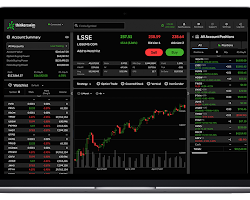
 The world of trading is constantly evolving, and with it, the platforms that traders use to execute their trades. In today's market, there are a wide variety of trading platforms to choose from, each with its own strengths and weaknesses.

In this blog post, we will take a look at some of the top trading platforms of 2023, and review them based on their user interface, timeliness, cost, user reviews, and ratings.

User Interface

The user interface (UI) of a trading platform is one of the most important factors to consider when choosing a platform. A good UI will be easy to use and navigate, and will provide all of the information that you need to make informed trading decisions.

Timeliness

The timeliness of a trading platform is also important. You want to be able to execute your trades quickly and efficiently, and you don't want to have to wait for the platform to load or for your orders to be processed.

Cost

The cost of a trading platform is another important factor to consider. Some platforms charge commissions on trades, while others do not. You also need to factor in the cost of any additional features or services that you may want to use.

User Reviews and Ratings

Finally, you should also consider the user reviews and ratings of a trading platform before you make a decision. These reviews can give you a good idea of what other traders think of the platform, and whether or not it is a good fit for your needs.

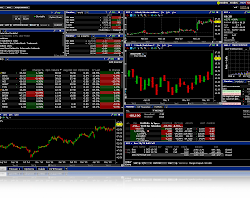
Here is a review of a few of the top trading platforms of 2023, I personally use TD Ameritrade and their Think or Swim Platform:

  • TD Ameritrade: TD Ameritrade is another popular trading platform that offers a wide range of features and services. The platform has a user-friendly UI, is very timely, and does not charge commissions on trades for stocks and ETFs. TD Ameritrade also offers a variety of educational resources and customer support.
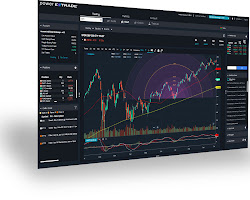
  • E*TRADE: ETRADE is a well-respected trading platform that offers a variety of features and services. The platform has a user-friendly UI, is very timely, and does not charge commissions on trades for stocks and ETFs. ETRADE also offers a variety of educational resources and customer support.
  • Interactive Brokers: Interactive Brokers is a popular trading platform for active traders. The platform offers a wide range of features and services, including margin trading, short selling, and options trading. Interactive Brokers is also very timely, and does not charge commissions on trades for stocks and ETFs.
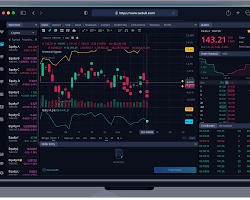
  • Webull: Webull is a newer trading platform that has quickly gained popularity. The platform offers a user-friendly UI, is very timely, and does not charge commissions on trades for stocks and ETFs. Webull also offers a variety of educational resources and customer support.
Conclusion

These are just a few of the top trading platforms of 2023. When choosing a platform, it is important to consider your own needs and preferences. If you are a beginner, you may want to choose a platform with a user-friendly UI and a good selection of educational resources. If you are an active trader, you may want to choose a platform with a wide range of features and services.

No matter what your needs are, there is a trading platform out there that is right for you. Do some research and compare different platforms before you make a decision. There are platforms that are strong for trading stocks or options, day-trading, chat-rooms, etc.

Happy Trading.

REIT ETF's WIth Strong 3-year Returns


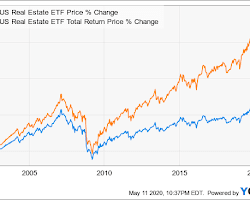
  • Vanguard Real Estate ETF (VNQ): This is the most popular REIT ETF, and it has a 3-year return of 29.5%.
  • iShares U.S. Real Estate ETF (IYR): This ETF has a 3-year return of 28.3%.
  • Real Estate Select Sector SPDR Fund (XLRE): This ETF tracks the S&P 500 Real Estate Index, and it has a 3-year return of 27.7%.
  • JPMorgan Realty Income ETF (JPRE): This ETF focuses on equity REITs that pay high dividends, and it has a 3-year return of 26.8%.
  • Invesco S&P 500 Equal Weight Real Estate ETF (RSPR): This ETF invests in a equal-weighted portfolio of S&P 500 REITs, and it has a 3-year return of 26.2%.

These are just a few of the many REIT ETFs that have had good 3-year returns. It is important to do your own research before investing in any ETF, and to consider your individual financial goals and risk tolerance.

Here are some other REIT ETFs with good 3-year returns:

I hope this helps!

Fundrise Recap. Illiquid Issues

What is Fundrise?

Fundrise is a real estate investment platform that allows investors to buy shares in real estate projects. The platform is designed to make real estate investing more accessible to everyday investors, with a minimum investment of just $10.

Fundrise offers a variety of investment portfolios, including:

  • Starter Portfolio: This portfolio is designed for investors who are new to real estate investing. It invests in a diversified portfolio of properties, including single-family homes, apartments, and commercial real estate.
  • Growth Portfolio: This portfolio is designed for investors who are looking for higher returns. It invests in properties that are expected to appreciate in value over time.
  • Income Portfolio: This portfolio is designed for investors who are looking for a steady stream of income. It invests in properties that generate rental income.

Fundrise charges a management fee of 0.85% of assets under management. There is also a one-time investment fee of 1%.

Pros of Fundrise:

  • Low minimum investment: Fundrise's minimum investment of $10 makes it one of the most accessible real estate investment platforms on the market.
  • Diversified portfolios: Fundrise offers a variety of investment portfolios, so investors can choose one that aligns with their risk tolerance and investment goals.
  • Professional management: Fundrise's team of experienced real estate professionals manages all of the investments on the platform. This frees up investors to focus on other things.
  • Liquidity: Fundrise investors can sell their shares at any time, subject to a 1% redemption fee.

Cons of Fundrise:

  • Risk: Real estate investing is inherently risky, and Fundrise is no exception. Investors should be prepared for the possibility of losing money.
  • Fees: Fundrise's fees are on the higher side compared to some other real estate investment platforms.
  • Illiquidity: Fundrise investments can be illiquid, meaning that it may be difficult to sell them quickly.

Overall, Fundrise is a good option for investors who are looking for a low-minimum, diversified way to invest in real estate. However, investors should be aware of the risks involved and the fees associated with the platform.

Here are some additional things to consider before investing in Fundrise:

  • Your investment goals: What are you hoping to achieve with your investment? Are you looking for long-term growth, steady income, or a combination of both?
  • Your risk tolerance: How much risk are you comfortable taking? Real estate investing can be volatile, so it's important to choose an investment that aligns with your risk tolerance.
  • Your time horizon: How long are you willing to invest for? Real estate investments can take time to appreciate in value, so you'll need to be patient.

If you're considering investing in Fundrise, I recommend doing your own research and speaking with a financial advisor to determine if it's the right investment for you.

If you need access to your money in a reasonable amount of time, do not invest in Fundrise. This is a long-term investment as you are actually investing in real estate. If you'd like to invest in the real estate space and need access to money rapidly, I'd recommend researching REIT ETF's.

Happy Trading.


Wednesday, June 21, 2023

JPEQ: A Dividend-Paying ETF to Consider

 JPEQ: A Dividend-Paying ETF to Consider

JPEQ is an exchange-traded fund (ETF) that tracks the performance of the JP Morgan Dividend Achievers Select Index. This index is made up of large-cap stocks that have a history of increasing their dividends for at least 10 consecutive years.

JPEQ has been a successful ETF, with its share price increasing by over 100% since its inception in 2007. The fund has also paid out a dividend every year since its inception, and the dividend has been increasing steadily over time.

One of the strengths of JPEQ is its focus on dividend-paying stocks. Dividend-paying stocks tend to be more stable than non-dividend-paying stocks, and they can provide investors with a steady stream of income. Currently JPEQ is paying around 11% return.

Another strength of JPEQ is its low expense ratio. The fund's expense ratio is just 0.10%, which is very low compared to other dividend-paying ETFs.

However, there are also some potential drawbacks to JPEQ. One drawback is that the fund is concentrated in the financial sector. This means that the fund's performance could be volatile if the financial sector experiences a downturn.

Another drawback is that JPEQ is a relatively new ETF. This means that there is not as much historical data available to analyze the fund's performance.

Overall, JPEQ is a solid dividend-paying ETF with a long history of success. The fund is a good option for investors who are looking for a stable investment with a steady stream of income.

Benefits of Dividend Investing

There are many benefits to dividend investing. Dividends can provide investors with a steady stream of income, which can be helpful for retirees or people who want to supplement their income. Dividends can also help to compound wealth over time. When dividends are reinvested, they can help to grow your investment even faster.

Other High-Dividend Stocks and ETFs

There are many other high-dividend stocks and ETFs available. Some popular options include:

  • Vanguard Dividend Appreciation ETF (VIG)
  • iShares Select Dividend ETF (DVY)
  • ProShares S&P 500 Dividend Aristocrats ETF (NOBL)
  • Schwab U.S. Dividend Equity ETF (SCHD)
  • T. Rowe Price Dividend Growth ETF (DGRO)

These are just a few examples of the many high-dividend stocks and ETFs available. When choosing dividend-paying investments, it's important to consider your risk tolerance, investment goals, and time horizon.

If you have any questions, please feel free to ask me.

Happy Trading

Dividend Investing for Beginners

 Dividend Investing for Beginners

Dividend investing is a great way to generate passive income and build wealth over time. With dividend investing, you buy stocks or ETFs that pay out a portion of their profits to shareholders on a regular basis. This can provide you with a steady stream of income, even if the stock market is volatile.

There are many different dividend-paying stocks and ETFs available, so you can choose investments that fit your risk tolerance and investment goals. Some popular dividend-paying stocks include Verizon (VZ), Johnson & Johnson (JNJ), and Procter & Gamble (PG). These stocks have a long history of paying dividends and are considered to be relatively safe investments.

ETFs are a great way to get exposure to a basket of dividend-paying stocks without having to pick individual stocks. Some popular dividend-paying ETFs include the Vanguard Dividend Appreciation ETF (VIG) and the iShares Select Dividend ETF (DVY). These ETFs track a basket of stocks that have a history of increasing their dividends over time.

If you're interested in dividend investing, there are a few things you should keep in mind. First, you need to make sure that you understand the risks involved. Dividends are not guaranteed, and the stock price of a dividend-paying stock can still go down.

Second, you need to choose investments that fit your risk tolerance. If you're looking for a safe investment, you'll want to choose stocks or ETFs with a long history of paying dividends. If you're looking for a higher potential return, you may be willing to take on more risk by investing in stocks with a shorter history of paying dividends.

Finally, you need to be patient. Dividend investing is a long-term investment strategy. You won't see the benefits of dividend investing overnight. But over time, dividend investing can be a great way to generate passive income and build wealth.

Here are some of the benefits of dividend investing:

  • Generates passive income. Dividends provide you with a steady stream of income, even if the stock market is volatile.
  • Builds wealth over time. Dividends can help you to compound your wealth over time.
  • Can be a safe investment. There are many dividend-paying stocks and ETFs that have a long history of paying dividends.

If you're interested in learning more about dividend investing, there are many resources available online and in libraries. You can also talk to a financial advisor to get personalized advice.

Here are some examples of dividend-paying stocks and ETFs:

  • Verizon (VZ)
  • Johnson & Johnson (JNJ)
  • Procter & Gamble (PG)
  • Vanguard Dividend Appreciation ETF (VIG)
  • iShares Select Dividend ETF (DVY)

These are just a few examples of the many dividend-paying stocks and ETFs available. When choosing dividend-paying investments, it's important to consider your risk tolerance, investment goals, and time horizon.

I hope this post has given you a better understanding of dividend investing. If you have any questions, please feel free to ask me.

Happy Trading